The independent guide to heat and cold at home
Learn heat and cold properly, then buy once.
Recovery, sleep and a clearer head are what you are actually after, and they come from using this stuff right, not from owning the priciest cabin. So we wrote the evidence first: what heat and cold genuinely do, the temperatures and timings the research used, and the real all-in cost when you are ready. If nothing here suits you, we say so.
Wherever you are with it, start there
Four stages, in the order most people meet them. Nobody has to work out which sort of visitor they are. The first two sell you nothing at all.

Stage 1
Does it actually work?
What heat and cold genuinely do to a body, graded on the evidence, including the claims that do not survive it.
Stage 2
Doing it right
The protocol: how hot, how cold, how long, how often, and the timing rule that decides whether you recover or blunt your training.

Stage 3
Prove the habit cheaply
Before a five-figure decision, find out whether you will actually do this. The cheapest honest way in, and what it gives up.
Stage 4
Buying for keeps
The real all-in cost, the electrical work nobody quotes, what each brand actually warrants, and which unit suits your space.
Already know you want one? Tell us three things
Most buying guides answer "which is best". The useful question is which one suits your garden, your budget and what you are actually chasing. This picks the cheapest thing that genuinely fits, names the catch from the brand's own policy, and tells you when nothing here fits rather than selling you the next size up.
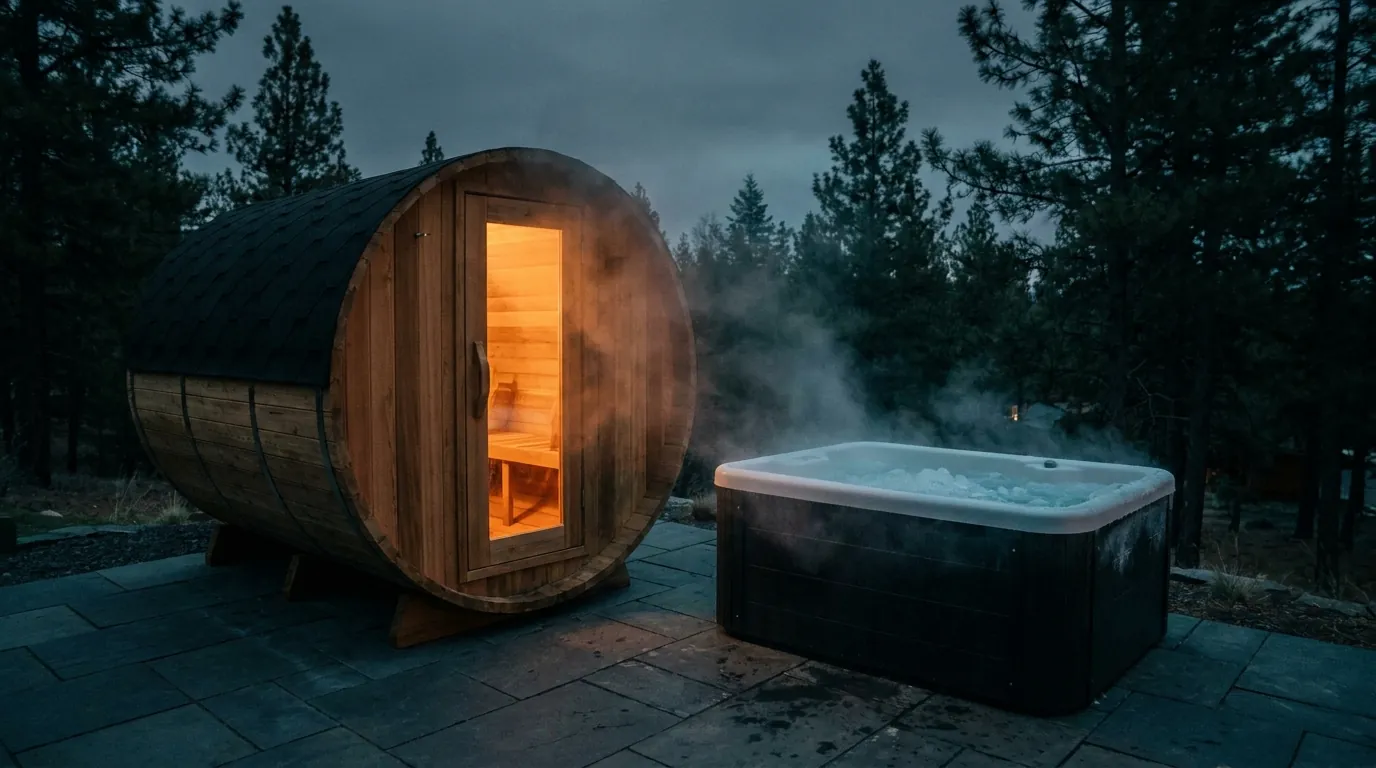
The cheapest route into real red cedar outdoors, from a two-person shell you scale up with size and heater options.
The catch: That price is the shell: a rock heater and a 240V circuit are both on top, and the return term is a 30-day home trial, but not after assembly or use.
The cheapest way to find out whether you will actually do this. No chiller, so you are buying ice, but nothing here risks less money.
The catch: Clearance stock, and on the warranty: their own pages disagree: 2 years on the warranty page, 1 year in the FAQ.
Both together come to $4,874 before delivery and before the electrician.
One of these needs a dedicated 240V circuit. Get an electrician's quote before you commit, and run the real number through the cost of ownership tool.
Prices are live from the retailer and the catches come from each brand's published warranty and returns policy, not from our impressions. We only suggest what we can point at a source for.

Ice
Cold plunges & ice baths
From a $150 tub to test the habit to a $14,000 chiller unit. We rank by cooldown speed, chiller efficiency, sanitation, and real running cost.

Fire
Saunas, infrared & traditional
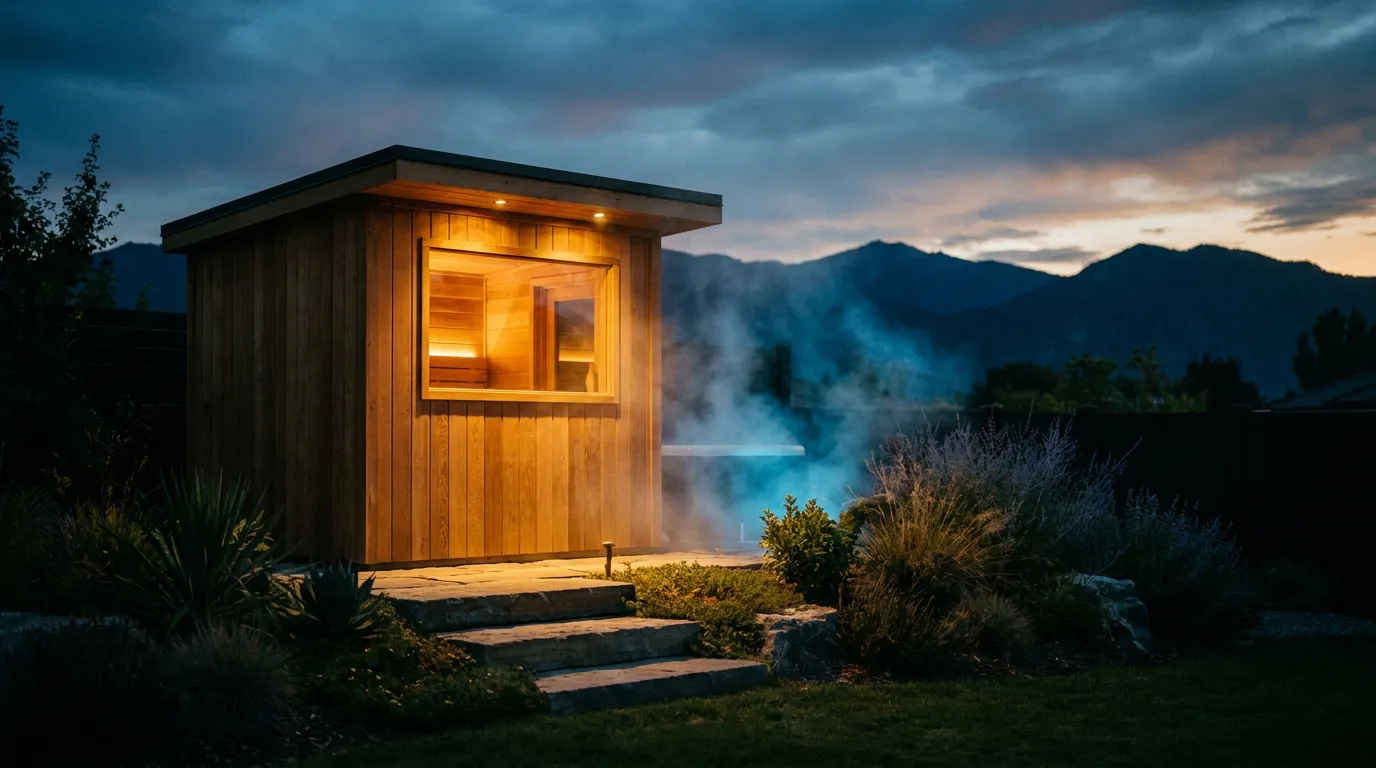
Barrel, cabin, indoor, infrared. We measure heat-up time, real electricity draw, and whether you actually need a 240V circuit.
The number no one publishes
What it actually costs to run
A $6,000 chiller that costs $15 a month is a different decision than a $2,000 tub that burns $120 in ice. An infrared sauna runs about 85% cheaper per session than a traditional one. We built the calculator that shows you the real five-year cost, by your usage and your local electricity rate.
Open the cost-to-run calculator →Why hot and cold, on one site
Sauna and cold plunge aren't two hobbies, they're one protocol. Heat, then cold, in sequence, is where most of the benefit and most of the ritual lives. Every other review site picks a side; we cover the stack. That's why we do the thing no one else does, match a sauna to a plunge as complete packages, at four budgets, so the two fit the same space and power. Then the protocol tells you how to use them.
How we rank
Our standards →Independent. We're funded by affiliate commission, never brand payments, so a place in a ranking can't be bought, and we'll happily tell you a popular product isn't worth it.
Cost-first. We work out the real running costs, kWh, dollars a month, cost per session, and publish them where the brands won't. It's often the number that decides the buy.
Exhaustively researched. We don't say anything about a product until we've dug through its specs, heater or chiller quality, materials, warranty and real owner feedback, weighed by a public-health specialist, and dated when it changes.